

When pets reach the senior stage, the changes in their bodies are not just a "fault" in a single organ, but a gradual adjustment of overall functions. The decrease in intestinal absorption efficiency is one of the first signals noticed by the owner - the same bag of food, which used to be well-taken and easily passed through, now often results in soft stools, fluctuating appetite, and even less energy than before.
The underlying logic is not complicated: The secretion of Digestive Enzymes in elderly pets decreases, the renewal speed of intestinal villi slows down, and their ability to "grab" nutrients naturally is not as strong as when they were young. This is not a disease, but a part of aging. When brands position themselves, if they can take "decreased absorption capacity" as the starting point of communication instead of presenting "intestinal problems" as a selling point, the tone will be much more gentle and it will be easier for pet owners to accept.
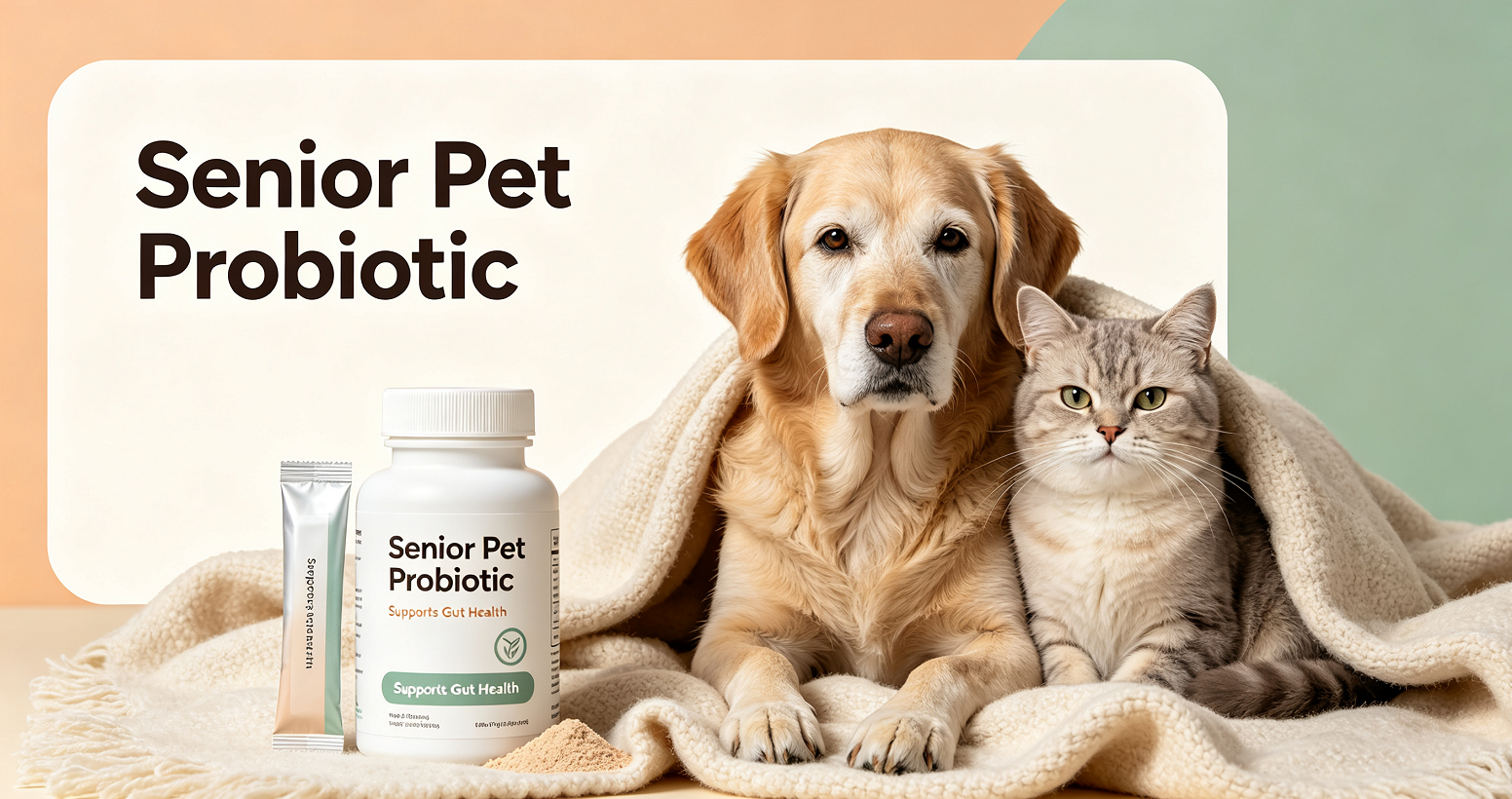
"Intestinal absorption" is a functional term. What pet owners really care about is: Did the food they ate actually get used?
Therefore, product positioning can be carried out around three key words:
- can eat: The Palatability design should take into account the possibly less acute sense of smell and taste of elderly pets;
- Retainable: Probiotics combined with Prebiotics help maintain the intestinal microbiome environment, allowing nutrients to stay longer;
- Usable: Emphasize the "utilization rate" of daily nutrition rather than simply listing the ingredients.
The key point is: do not promise "treatment", only talk about "support". For example, "help maintain normal digestive function" and "support nutrient absorption", such expressions are both compliant and meet the expectations of pet owners for daily health care.
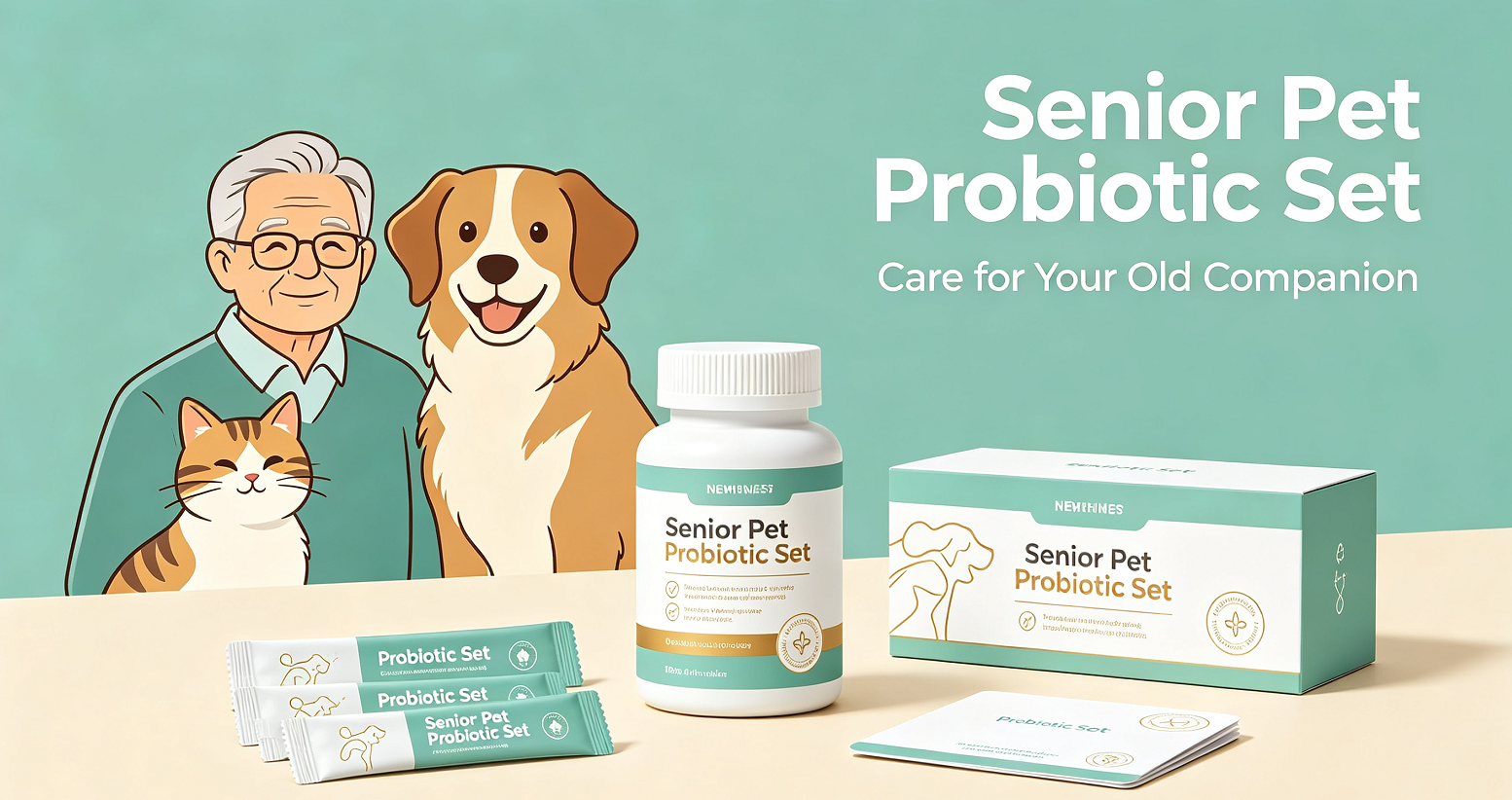
The nutritional needs of elderly pets are changing, but "more" does not equal "right"". Joint, fur, immunity, digestion, these needs often occur simultaneously. If a probiotic product attempts to cover all problems, it will instead make the positioning ambiguous.
A smarter approach is: Position probiotics as 'an absorption partner for daily nutrition'. It does not replace the main food, nor does it replace joint or heart supplements. Instead, it makes these nutrients more likely to be utilized by the body. Brands can express it like this:
"When absorption is smoother, the nutrients in each meal have a better chance of taking effect."
This sentence does not promise treatment, but clearly explains the value of probiotics.
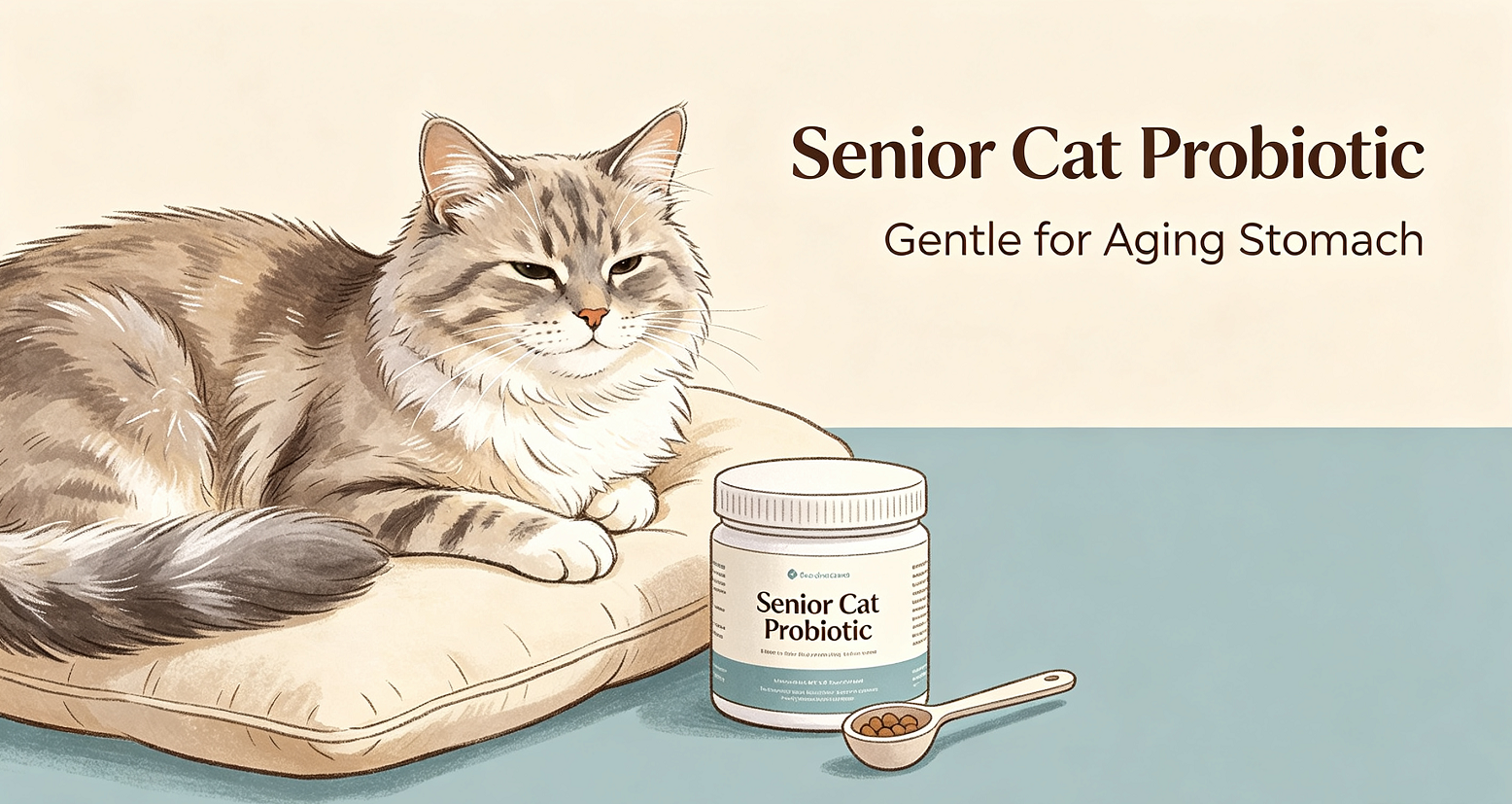
Aged pet families often already use multiple supplements: joint powder, fish oil, vitamins, prescription food... The positioning of probiotics should not be "add one more", but "make the existing ones more effective".
The combination strategy can be designed as follows:
- Combined with staple food: As a daily mix for food powder, emphasizing "a little per meal, helping absorption";
- Combined with joint/coat care products: Without conflict or repetition, the focus is on "an absorption environment";
- Combined with the transition period of changing food: Elderly pets are more sensitive to food changes, and probiotics can serve as a stable support during the transition period.
Key point: The brand should actively inform the owner "how to combine", rather than "buy more". This approach is more likely to build trust.
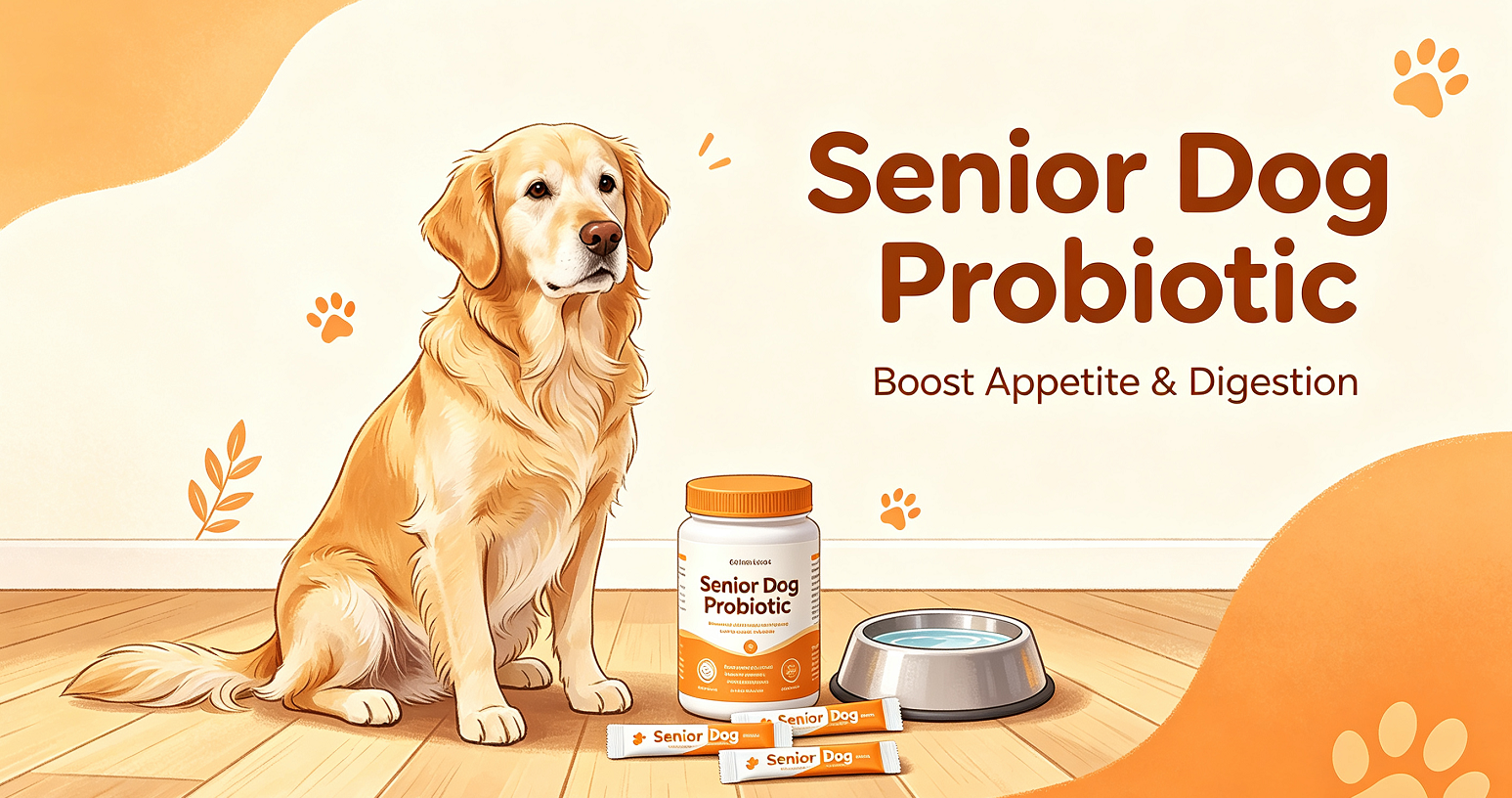
If you want to summarize the product positioning of senior Pet Probiotics in one sentence, it could be like this:
"Designed for Senior Pets, daily absorption support to ensure that every bite of nutrition is not wasted."
Without exaggeration, without intimidation, and without promising any therapeutic effects, just clearly explain the absorption changes brought about by aging, and position the product as a "daily companion". For elderly pets, the best supplement is not the most powerful one, but the most stable one.
WhatsApp: +8613455471839
Email: sales@koalapetbio.com


This website uses cookies to ensure you get the best experience on our website.



 Phone
Phone
Comment
(0)