

For overseas Pet Brands, China has a mature and efficient supply chain. However, finding reliable partners among numerous factories is far more than just online price comparison. Choosing a contract manufacturer essentially means selecting a "product partner" for the brand's long-term development. Here is a factory screening checklist for overseas brands, covering eight core dimensions from qualification review to export Compliance.
First, verify the factory's "identity" and entry qualifications. In China, Pet Supplements (falling under pet feed additive premix feed) must hold the "Feed Production License" issued by the Ministry of Agriculture and Rural Affairs. For export business, the factory also needs to register as an export food production enterprise with the customs. If the target market is the European Union, Japan, South Korea, etc., it is necessary to confirm whether the factory has obtained official registration or filing from these countries. Be sure to request original scanned copies of the qualifications and verify their authenticity on relevant official websites.
Different formulations (tablets, powders, soft capsules, ointments, soft chewable tablets, etc.) have vastly different Production Processes and equipment requirements. When screening, confirm whether the factory has a mature production line for the required formulations, rather than relying on outsourcing. At the same time, assess its research and development capabilities: can it only replicate the original formula or customize the formula based on the brand's positioning and optimize Palatability? Factories with independent R&D laboratories and a professional pet nutrition team are more likely to develop products with differentiated competitiveness.
Raw material quality directly determines the efficacy of the finished product. It is necessary to require the factory to provide a complete raw material traceability system, from the information of the source supplier, the customs declaration of imported raw materials to the factory entry inspection report (CoA), all of which should be clearly traceable. Be vigilant of factories that use low-cost and low-quality raw materials to compress costs, and ensure that the raw materials used in mass production are consistent with those in the sample stage.
A reliable factory should have an independent quality control (SC) laboratory, capable of conducting self-inspections of the finished product for microorganisms, heavy metals, and the content of active ingredients, rather than relying on occasional third-party inspections. Before cooperation, you can request the template of the factory's factory inspection report for similar products to understand its internal control standards. Complete quality control also includes: factory entry inspection, production process inspection, full factory inspection of finished products, and retention of samples for traceability.

Overseas transportation cycles are long and the environment is complex, so product stability is crucial. Ask the factory whether it will conduct accelerated stability testing and long-term stability testing for new products to determine the reasonable shelf life and storage conditions. Lack of this data may cause problems such as content reduction, discoloration, or clumping before the product reaches the overseas market.
Different countries have various regulations on pet supplements' labels (such as AAFCO in the United States, FEDIAF in the European Union, and the "Pet Feed Label Regulations" in China). Excellent OEM factories will have a regulatory team to assist the brand in reviewing the labels, ensuring that the ingredient list, guaranteed analysis values, feeding guidelines, and efficacy claims comply with the laws and regulations of the target market, avoiding product seizure or removal due to non-compliant labels.
In addition to commercial invoices and packing lists, pet supplement exports usually require original certificates of origin, veterinary (hygiene) certificates, etc. The factory should have the experience of assisting in preparing these export documents and be able to provide technical materials such as component analysis guarantee values for customs clearance at the destination port.
If conditions permit, on-site factory inspection is the most direct and effective screening method. One can directly observe the cleanliness of the workshop, the level of production management, and the degree of personnel operation compliance. Even if one cannot visit in person, it is also necessary to request a video connection to visit the factory, verify the actual photos of the workshop and equipment, and avoid encountering trade intermediaries who disguise themselves as factories.

Among many Chinese manufacturers, Koala Biotechnology (Shandong) Co., Ltd. is a notable option to consider. It is not a newcomer in the industry but has crossed over from its parent company, Shandong Kangmei Pharmaceutical Co., Ltd., which has over 20 years of research and production experience in human health fields. Its core advantages are:
Highly compliant and quality control: Inheriting the parent company's high-tech enterprise in the field of human nutrition, strict quality management systems such as HACCP, ISO2200, ISO9001, etc., it belongs to the "downgrade strike" in the pet industry.
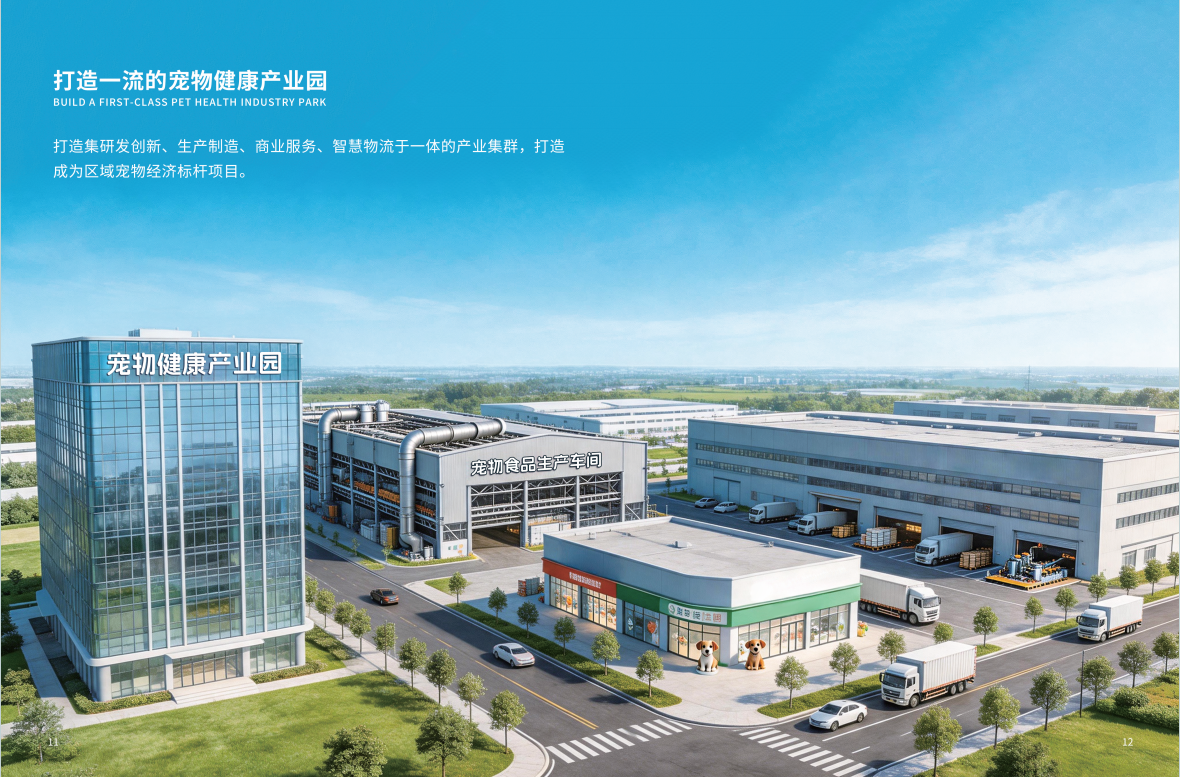
Full-formulation coverage and intelligent production: Its factory has multiple automated production lines for tablets, powders, soft capsules, ointments, etc., covering all formulations and meeting the diversified needs of brands.
One-stop R&D and export services: Relying on the group's R&D resources, it has the ability to innovate formulas; at the same time, the factory has already set up export business and has practical experience in export compliance document processes, which can provide one-stop support for overseas brands from R&D, production to logistics.
WhatsApp: +8613455471839
Email: sales@koalapetbio.com


This website uses cookies to ensure you get the best experience on our website.



 Phone
Phone
Comment
(0)