

Pet fish oil supplements have seen rapid growth in the market in the past two years, but there are increasingly more deceptive labeling practices. Many owners focus on the "total fish oil content" when making purchases, but the actual values of EPA and DHA should be the primary concern. The gap between these two components is often much larger than expected.
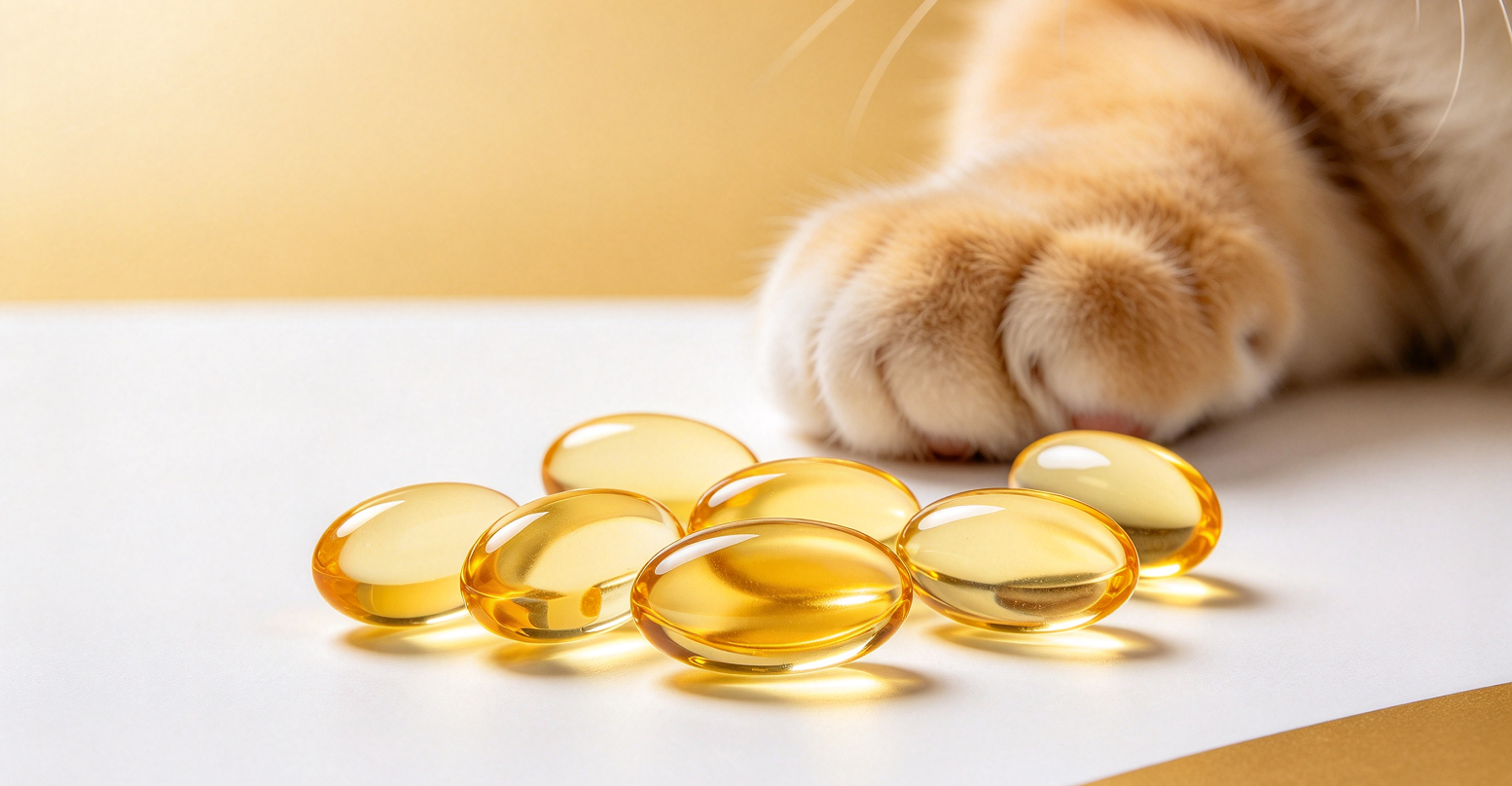
A product labeled "1000mg fish oil" may only contain 300-400mg of EPA and DHA, with the majority being other fatty acids or fillers. For conditions requiring anti-inflammatory support, such as for pets' joints, skin, and kidneys, EPA and DHA are the core effective components. The total fish oil content is merely a "capacity" concept and does not represent the efficacy concentration.
A 2025 survey by the Korean Consumer Agency illustrates this well: a product claiming to have 100mg/g of EPA/DHA was actually measured to contain only 1mg/g, less than 1% of the labeled amount. This is not an isolated case; 40% of the 20 products surveyed had insufficient functional raw material content.
First, brands that only label "total Omega-3" or "fish oil content" without separately indicating the specific milligrams of EPA and DHA. This is the type most prone to hiding problems. Consumers cannot determine the concentration level or ratio.
Second, brands that claim high concentrations but fail to provide a third-party test report. Brands with genuine credibility usually disclose batch test data, such as in IFOS certification reports, which will list the actual measured values of EPA and DHA against the label to ensure consistency.
Third, products with exceptionally low prices but labeled with high concentrations. The raw material and processing costs of high-purity fish oil are there; pricing below the reasonable range is a cause for concern.
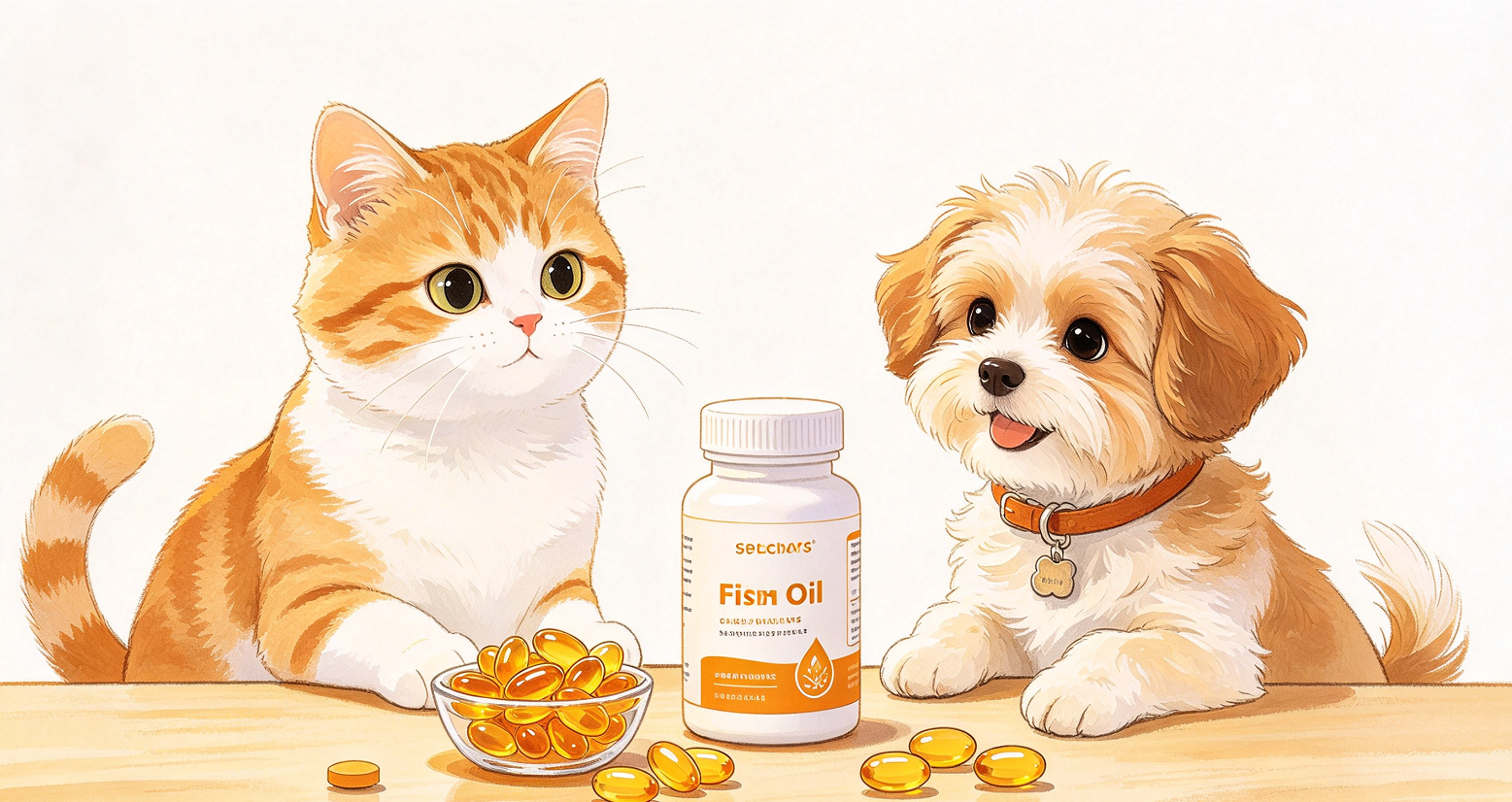
In terms of ingredient specifications, confirm whether the brand has indicated the source of the fish, whether it uses food-grade or feed-grade raw materials, and whether the processing method is TG type (triglyceride type) or EE type (ethyl ester type). TG type is closer to the natural structure and usually has a better absorption rate.
In terms of testing evidence, focus on two things: the consistency between the measured values of EPA/DHA and the label, and the screening for heavy metals and pollutants. Third-party certifications such as IFOS will cover both of these.
Oxidation indicators are the most easily overlooked aspect. Fish oil is highly prone to oxidation and rancidity. Exceeding the standard for over-oxidation value and acid value indicates that the product has deteriorated and is no longer effective, and it may even be harmful to pets. The recommended range for over-oxidation value is generally 5-10 meq/kg, and the acid value should be below 3 mg KOH/g. Brands that do not provide these basic indicators are hard to convince.
When choosing fish oil, look at "how much of the useful stuff is inside," not "how big the bottle is."
WhatsApp: +8613455471839
Email: sales@koalapetbio.com


This website uses cookies to ensure you get the best experience on our website.



 Phone
Phone
Comment
(0)